Media Summary: Synchron has developed a Brain-Computer Interface that uses pre-existing technologies such as the stent and catheter to allow ... Synchron, a neurovascular bioelectronics medicine company, today announced publication of a first-in-human study ... The first endovascular neural interface, the
Stentrode In Action - Detailed Analysis & Overview
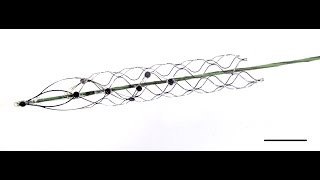
Synchron has developed a Brain-Computer Interface that uses pre-existing technologies such as the stent and catheter to allow ... Synchron, a neurovascular bioelectronics medicine company, today announced publication of a first-in-human study ... The first endovascular neural interface, the In a world first, researchers at The Royal Melbourne Hospital and The University of Melbourne have implanted the Strentrode - a ... Dr Nicholas Opie is a biomechanical engineer. Here, he describes the long process from the In a world first, paralysed patients in a clinical trial are using the Australian-developed
University of Melbourne Professor Terry O'Brien, consultant neurologist at the Royal Melbourne Hospital, oversaw the project. Dr Thomas Oxley is the brainchild behind the A device the size of a matchstick, implanted next to the brain's motor cortex, could one day help paralysed people move their ... Professor Clive May, from the Florey Institute of Neuroscience and Mental Health, explains how the device is implanted using ... Imagine a world where individuals affected by paralysis or the loss of speech could regain control over their bodies and ... In this Whitehouse address, US President Barrack Obama outlines the research breakthrough that could enable people to control ...
An implantable brain-computer interface (BCI) company named Synchron is developing a neuroprosthesis device named ... Neurotechnology and Brain-Computer Interfaces are advancing at a rapid pace and may soon be a life-changing technology for ...